

Every day, we see hundreds of pieces of content on our phones. Instagram Reels, YouTube videos, blog posts, photographs, memes, podcasts, tutorials and even a simple Instagram Story are all forms of content.
But have you ever wondered who creates all of this content and how an idea becomes something people actually see online?
This is where content creation comes in.
When I first became interested in social media and digital marketing, I used to think content creation was mainly about making videos and taking good pictures. But as I started creating content myself, I realised that there is much more to it. Content creation involves finding an idea, understanding the audience, creating the content, editing it and finally publishing it on the right platform.
In this blog, I’ll explain what content creation actually means, the different types of content, the content creation process and some things I’ve learned from creating content myself.
What Is Content Creation?

Content creation is the process of coming up with an idea and turning it into something that can be shared with an audience.
This could be a:
- Video
- Instagram Reel
- Blog
- Photograph
- Carousel
- Podcast
- Social media post
- Infographic
- Tutorial
- Review
- Meme
In simple words, if you’re creating something to communicate an idea, information, experience or entertainment to an audience, you’re creating content.
For example, if a makeup creator records a video showing how to create an everyday makeup look, that’s content creation.
If a digital marketer writes a blog explaining SEO, that’s also content creation. If a skincare brand creates an Instagram carousel explaining how sunscreen works, that’s content creation too.
Why Is Content Creation Important?

Content is one of the main ways people and brands communicate with their audience online.
Think about the brands you follow on Instagram. You probably don’t follow them only because of their products. You may follow them because their content is:
- Helpful
- Entertaining
- Interesting
- Relatable
- Educational
- Inspiring
Good content can help a brand or creator build a relationship with its audience over time.
For businesses, content can also help with brand awareness, engagement, website traffic, leads and sales.
That’s why content creation has become an important part of digital marketing.
Different Types of Content

1. Video Content
Video is one of the most popular forms of online content.
Examples include:
- Instagram Reels
- YouTube videos
- Tutorials
- Vlogs
- Product demonstrations
- Interviews
- Short-form educational videos
For example, a beauty creator could make a Reel showing a complete makeup look.
A skincare brand could create a short video explaining how to use its serum.
2. Written Content
Written content includes:
- Blog posts
- Articles
- Social media captions
- Newsletters
- Website content
- Guides
Blogs are especially useful when you want to explain a topic in more detail.
For example: “What Is SEO and How Does It Work?”
could be a long-form educational blog, while an Instagram caption might explain the same concept in just a few sentences.


3. Visual Content
Visual content includes:
- Photographs
- Graphics
- Infographics
- Posters
- Carousels
- Illustrations
A carousel can be particularly useful for educational content because you can break a complicated topic into small, easy-to-understand slides.
4. Audio Content
Audio content includes:
- Podcasts
- Interviews
- Voiceovers
- Audiobooks
Although video has become extremely popular, audio content can still be useful for people who prefer listening while travelling, exercising or working.


5. User-Generated Content
UGC stands for User-Generated Content.
It refers to content created by customers or users rather than directly by the brand.
For example, if someone buys a lipstick and makes a Reel showing the shade and their experience with it, that can be considered UGC.
UGC can feel more authentic because potential customers get to see real people using a product.
The Content Creation Process
Step 1: Find an Idea
Everything starts with an idea.
Ideas can come from:
- Personal experiences
- Audience questions
- Trends
- Search queries
- Competitor research
- Comments
- Current events
- Problems people are trying to solve
For example, if you’re creating beauty content and people regularly ask you how you create your makeup base, that question itself can become a content idea.


Step 2: Understand Your Audience
Before creating something, ask yourself: Who am I creating this for?
The same topic can be presented differently depending on the audience.
For example-
- For beginners: “Makeup Basics: 5 Products You Actually Need”
- For experienced makeup lovers: “How to Create a Long-Lasting Full Coverage Base”
Both are about makeup, but they’re designed for different audiences.
Understanding your audience helps you choose the right topic, language, format and tone.
Step 3: Choose the Right Format
Once you have an idea, decide how you want to present it.
For example:
Topic: Skincare mistakes, You could create:
- A Reel
- A carousel
- A blog
- A Story Q&A
- A YouTube video
The best format depends on the topic and where your audience spends time.


Step 4: Create the Content
Now it’s time to actually create.
For a video, this might involve:
- Writing a script
- Setting up your camera
- Recording
- Shooting B-roll
- Recording a voiceover
For a blog, it might involve:
- Researching the topic
- Creating an outline
- Writing
- Adding examples
- Editing
For social media graphics, you might use tools such as Canva to design the visuals.
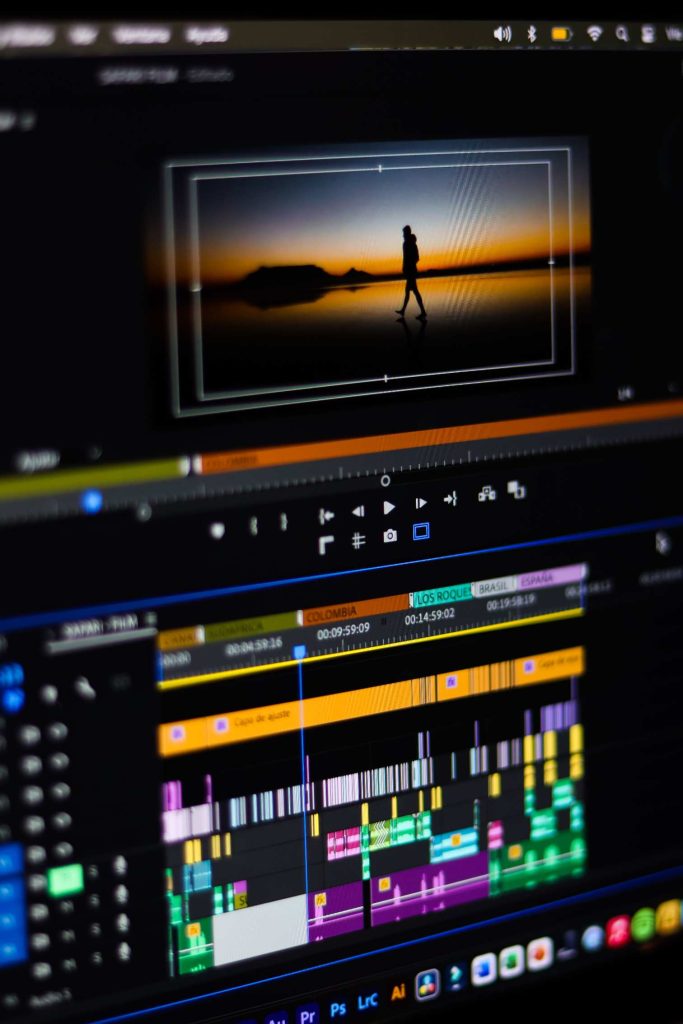
Step 5: Edit Your Content
Editing can make a huge difference.
For videos, editing could include:
- Removing unnecessary parts
- Adding text
- Adding transitions
- Adjusting the timing
- Adding music or voiceovers
- Adding captions
For written content, editing means checking:
- Grammar
- Spelling
- Structure
- Repetition
- Readability
You don’t need complicated editing to make good content. Clear and purposeful editing is often more useful than adding effects just for the sake of it.

Step 6: Write a Good Caption or Title
Your content might be excellent, but people still need a reason to click or watch it. That’s why titles, hooks and captions matter.
Instead of: “Skincare Tips”
you could try: “5 Skincare Mistakes That Might Be Ruining Your Routine”
The second one creates curiosity and tells the viewer exactly what they can expect.
Step 7: Publish Your Content
Once the content is ready, publish it on the platform where your audience is most likely to see it.
But publishing shouldn’t always be the end of the process.
After publishing, you can observe how people respond to it.


Step 8: Analyse the Results
This is where content creation connects strongly with digital marketing.
Depending on the platform, you can look at metrics such as:
- Views
- Reach
- Likes
- Comments
- Shares
- Saves
- Watch time
- Profile visits
- Website clicks
For example, if an educational Reel receives significantly more saves than your usual content, that could be a sign that your audience finds educational topics useful.
You can use these insights to improve your future content.
What Makes Good Content?

There is no single formula that guarantees that every piece of content will perform well. However, good content usually has a clear purpose.
It might:
Educate –Teach the audience something.
Entertain -Make people laugh or keep them interested.
Inspire -Give people motivation or ideas.
Solve a problem -Help someone overcome a particular difficulty.
Tell a story – Share an experience that people can relate to.
Build trust –Show real experiences, knowledge or behind-the-scenes moments.
Before creating something, I like the idea of asking: “What is the audience going to get from this?”
If the answer is clear, the content usually has a stronger purpose
My Experience With Content Creation

Creating content myself has changed the way I look at social media. Earlier, I used to think that good content was mostly about having a good camera, perfect lighting or expensive equipment. But after actually creating videos and experimenting with different types of content, I realised that the idea matters just as much as the equipment. Sometimes a simple video with a relatable idea can perform better than something that took hours to make.
I’ve also learned that creating content involves a lot of trial and error.
Not every Reel gets the same response, and not every idea works exactly the way you expect it to. But looking at the response and understanding what people liked can help you improve.
This is one of the reasons I enjoy combining content creation with digital marketing. Content gives me the creative side, while digital marketing helps me understand the strategy behind it.
Content Creation vs Content Marketing


Content Creation
Content creation is the actual process of producing content.
For example: Writing a blog, filming a Reel or designing an Instagram carousel.
Content Marketing
Content marketing is the marketing approach of using valuable content to attract and engage a target audience and support business goals.
For example, a skincare brand might create educational blogs about skincare concerns and use those blogs to attract people who are searching for solutions.
So, in simple terms: Content creation = Making the content
Content marketing = Using content strategically for marketing
They are connected, but they aren’t exactly the same thing.
Tools Content Creators Can Use

Canva
Useful for social media posts, presentations, thumbnails and graphics.

Edits App
Instagram has its own editing apps which really helps in editing and making your videos more attractive like having amazing sound effects , cool fonts, stickers, amazing effects and filters all in one place

CapCut
We can edit short form videos and long form videos with this app it has some amazing templates, effects, fonts and stickers.
Google Trends
Can help you explore what people are searching for and what topics are gaining interest.

Google Keyword Planner
Useful for keyword research and understanding search demand, particularly when working with Google Ads.
How to Become a Content Creator

You don’t need to be an expert before you start.
A simple way to begin is:
Choose a topic → Pick a platform → Create consistently → Learn from your results → Improve
For example, if you’re interested in beauty:
- Choose beauty as your topic.
- Start an Instagram account.
- Create makeup, skincare or lifestyle content.
- Experiment with Reels, Stories and photos.
- Observe what your audience responds to.
- Improve your content over time.
The most important thing is to actually start creating. You will learn things through experience that you can’t always learn by simply watching tutorials.
FAQ's
What does content creation mean?
Content creation is the process of developing and producing content such as videos, blogs, photographs, social media posts, podcasts and graphics for an audience.
What are the different types of content creation?
Common types include video, written, visual and audio content. User-generated content is another important format, particularly for brands and social media marketing.
What does a content creator do?
A content creator develops ideas, creates content, edits it and publishes it for an audience. Depending on their work, they may also manage social media, research topics and analyse performance.
Do I need expensive equipment to become a content creator?
No. The equipment you need depends on the type of content you’re creating. For many beginners, a smartphone and good lighting can be enough to get started.
Is content creation a part of digital marketing?
Yes. Content creation is an important part of digital marketing because brands use different forms of content to communicate with and engage their target audiences.
How can I improve my content creation skills?
Practice regularly, experiment with different formats, study your analytics, understand your audience and learn from both successful and unsuccessful content.
Final Thoughts
Content creation is much more than simply posting something online.
It starts with an idea and involves understanding the audience, choosing the right format, creating the content, editing it, publishing it and learning from the response.
My biggest takeaway from creating content is that you don’t have to start perfectly — you just have to start. Every video, post or blog gives you an opportunity to learn something new. And when creativity is combined with strategy, content can become more than just something people scroll past. It can educate, entertain, build a community and even help a brand grow.
Create. Learn. Improve. Repeat.