

Social media has become one of the most important ways for beauty and skincare brands to connect with their customers. Today, people don’t just discover beauty products in stores or through advertisements. They discover them through Instagram Reels, YouTube videos, tutorials, reviews, influencer recommendations and even short-form content on their feed.
But simply posting every day is not enough.
A beauty brand needs to know what to post, who it is posting for, why the content is being created and what result it should achieve. This is where a social media content strategy comes in.
While learning about social media marketing, I realised that content creation is not just about making a beautiful post. There needs to be a reason behind every piece of content. A good strategy helps a brand stay consistent while still creating content that people actually want to watch, save and share.
In this blog, I will explain how to create a social media content strategy for a beauty brand in a simple and practical way.
What Is a Social Media Content Strategy?


A social media content strategy is a plan that explains what type of content a brand will create, which platforms it will use, who its target audience is and what it wants to achieve through social media.
In simple words, it answers questions like:
- Who are we creating content for?
- What does our audience want to see?
- What type of content should we post?
- Which social media platform should we use?
- How often should we post?
- What is the goal of our content?
- How will we know whether our content is working?
For example, imagine a skincare brand that sells products for people with acne-prone skin.
Instead of constantly posting pictures of its products,
the brand could create:
- Skincare tips
- Common skincare mistakes
- Ingredient explainers
- Before-and-after content
- Customer reviews
- Product demonstrations
- FAQs
- Skincare routines
- Educational Reels
This makes the brand more useful to its audience instead of simply trying to sell something in every post.
Why Does a Beauty Brand Need a Content Strategy?
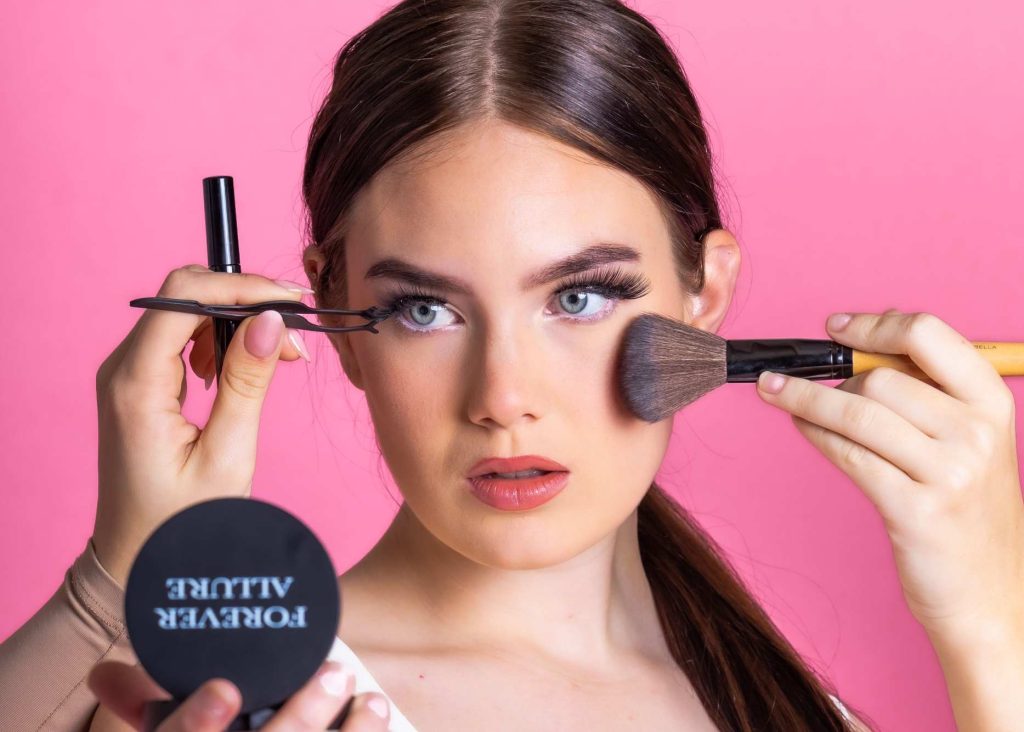

The beauty industry is highly competitive. There are thousands of makeup, skincare and haircare brands competing for people’s attention.
Because of this, posting randomly can make it difficult for a brand to build a strong identity.
A content strategy can
1. Build Brand Awareness – Consistent and recognisable content helps people remember a brand.
2. Build trust – Educational content, honest reviews, demonstrations and customer experiences can make a brand feel more trustworthy.
3. Increase engagement – Content that answers questions or solves problems can encourage people to comment, save and share.
4. Generate leads and sales – Good content can introduce a product to potential customers and eventually encourage them to make a purchase.
5. Maintain consistency – A content calendar makes it easier to plan posts instead of wondering every day, “What should I post today?”
How to Create an Effective Content Strategy : Step-by-Step
Step 1: Understand Your Target Audience

Before creating content, a brand should understand who it is talking to. This is one of the first things I would focus on while creating a social media strategy.
For a beauty brand, the audience could be college students, working professionals, teenagers, makeup lovers, skincare beginners or people specifically looking for solutions to certain skin concerns.
You can think about:
- Age group
- Gender, if relevant to the product
- Location
- Interests
- Budget
- Beauty concerns
- Buying behaviour
- Social media habits
Example : Suppose a brand sells affordable makeup products mainly for college students. Its audience may be interested in:
Affordable makeup, everyday makeup looks, college-friendly products, quick tutorials and trending beauty content. So instead of creating extremely professional content that feels like a luxury beauty advertisement, the brand could create relatable content such as: “5-minute college makeup routine” or “Makeup under ₹1,000 for beginners.”
The content becomes much more relevant because it is created with a specific audience in mind.
Step 2: Set Your Social Media Goals

A strategy should have a clear goal.
A brand might want to:
- Increase brand awareness
- Grow followers
- Increase engagement
- Generate website traffic
- Get leads
- Increase product sales
- Build a community
- Promote a new product
For example, if a new skincare brand has just launched, its first goal might be brand awareness rather than immediately focusing on sales.
Its content could therefore focus on introducing the brand, educating people about skincare problems and showing how its products work.
Step 3: Choose the Right Social Media Platforms

A brand doesn’t necessarily need to be active on every social media platform. The right platform depends on the audience and type of content.
Instagram – Instagram is particularly useful for beauty brands because visual content works extremely well for makeup and skincare.
Brands can use:
- Reels
- Carousels
- Stories
- Product photography
- Tutorials
- User-generated content
YouTube – YouTube is useful for longer tutorials, product reviews, comparisons and educational videos.
Pinterest – Pinterest can be useful for beauty inspiration, makeup looks, skincare routines and visual search.
Facebook – Facebook can still be useful for communities, advertisements and reaching particular audience groups.
The important thing is not to be everywhere just for the sake of being everywhere. Choose platforms where your target audience is actually active.
Step 4: Create Content Pillars

One of my favourite ways to organise content is through content pillars. Content pillars are the main topics or categories that a brand regularly talks about on social media.
For a beauty brand, these could be:
- Educational Content – Teach something useful. Examples:
- What does niacinamide do?
- How to choose a sunscreen
- Difference between serum and moisturiser
- Common skincare mistakes
- Product Content – Show the product naturally. Examples:
- How to use the product
- Product benefits
- Texture demonstration
- How much product to use
- Different ways to use a product
- Tutorial Content – Beauty audiences love practical demonstrations. Examples:
- Everyday makeup tutorial
- Lip combination tutorial
- Beginner skincare routine
- How to apply blush
- How to create a particular makeup look
- User-Generated Content – UGC can make a brand feel more authentic. For example, a customer could create a Reel showing how they use a particular product in their daily routine.
- Relatable or Trending Content – Not every post has to be educational or promotional. Relatable beauty memes, trends and entertaining Reels can help a brand connect with its audience in a more natural way.
Step 5: Don't Make Every Post About Selling
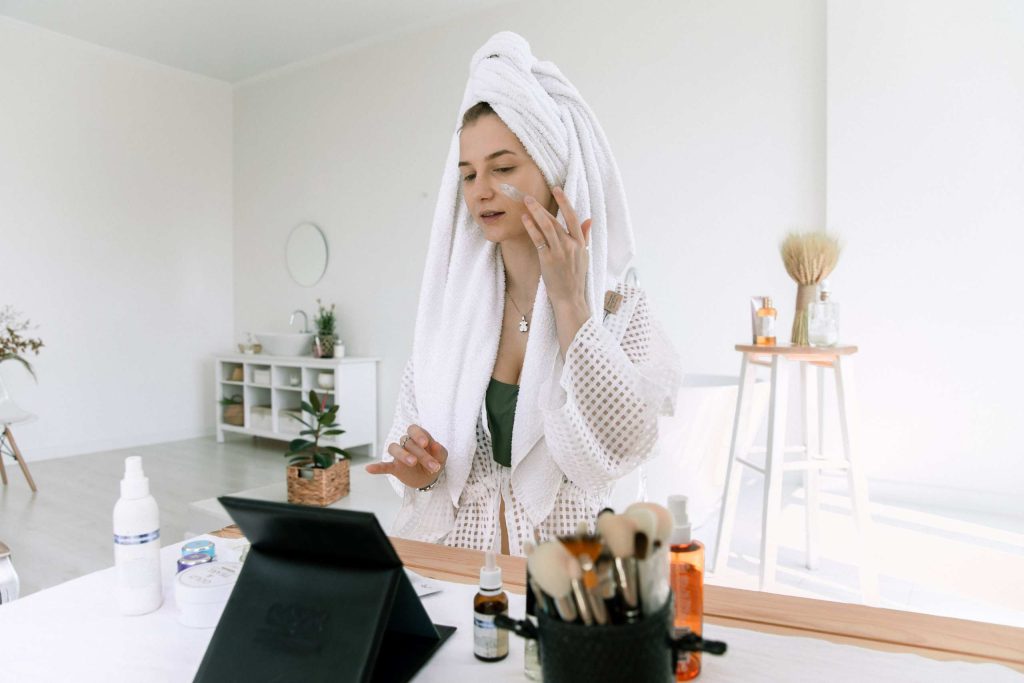
This is something I personally think is very important. Imagine opening Instagram and seeing a brand repeatedly saying: “Buy our serum”,”Buy our lipstick”,”Shop now.” After some time, people may simply scroll past the content. Instead, a brand can follow a healthier content mix.
For example:
Educational → Entertaining → Product → UGC → Educational → Trend → Product
This gives the audience a reason to follow the brand even when they are not planning to buy something. The goal should be to create value first and sell naturally through the content.
Step 6: Create a Content Calendar

A content calendar helps organise your social media posts in advance. You don’t necessarily need an extremely complicated system. Even a simple spreadsheet can work.
For example : Day – Content Type – Topic
- Monday – Educational Reel – 3 skincare mistakes
- Tuesday – Carousel – Benefits of sunscreen
- Wednesday – Product Content – Product demonstration
- Thursday – UGC – Customer review
- Friday – Trending Reel – Beauty trend
- Saturday – Tutorial – Everyday makeup Tutorial
- Sunday – Story – Q&A
This also makes content creation less stressful because you already know what you need to create.
Step 7: Create Content That People Want to Save and Share

Likes are not the only thing that matters. For educational beauty content, saves and shares can be particularly useful signals because they show that people found the information valuable enough to keep or send to someone else.
For example: “5 skincare mistakes you should stop making” may receive more saves and shares than a simple product photograph.
Similarly: “Beginner’s guide to choosing the right foundation” can provide practical value and encourage people to save it for later.
When planning content, I would always ask: “Would I personally save this post or send it to a friend?” If the answer is yes, the content probably has some value.
Step 8: Use Strong Hooks
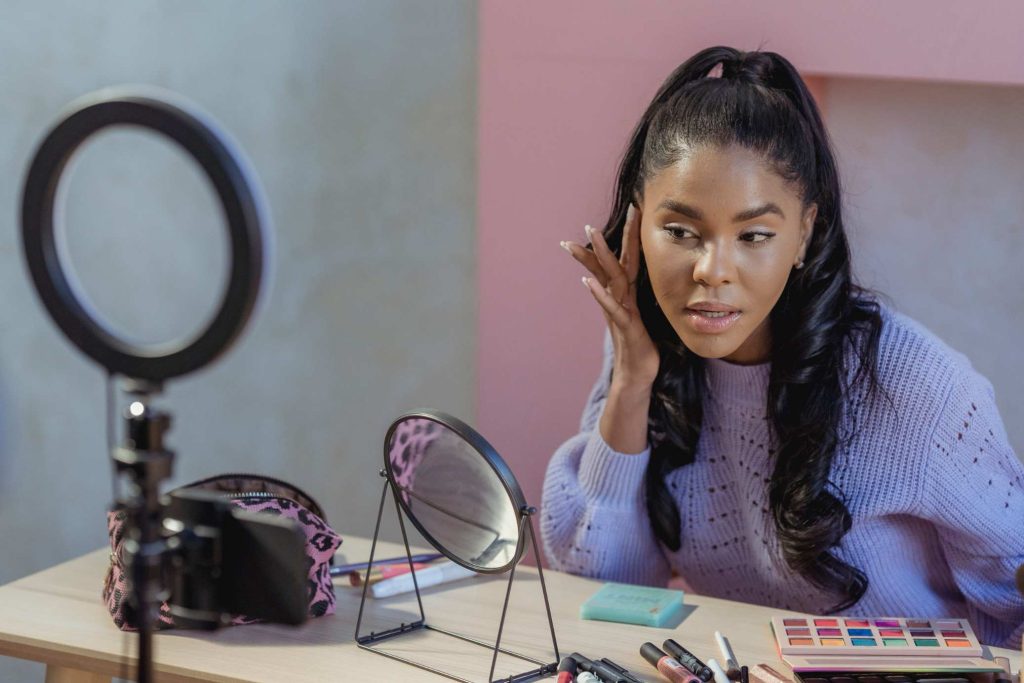
The first few seconds of a Reel or the first line of a caption can determine whether someone continues watching or scrolling.
Instead of starting with: “Today we are going to talk about skincare…”
try something more direct: “Your skincare routine might be missing this step.” Or “Stop making these 3 skincare mistakes.” Or “If you’re a beginner in makeup, save this.”
The hook should make the audience curious enough to continue.
Step 9: Use Different Types of Content

A beauty brand should not depend on only one type of post.
A good strategy can include:
- Reels → Reach and discovery
- Carousels → Education and saves
- Stories → Interaction and community
- UGC → Authenticity and trust
- Product photos → Product awareness
- Live sessions → Questions and deeper interaction
Using different formats can also help a brand understand what its audience responds to best.
Step 10: Track Your Performance

Creating content is only one part of social media marketing. You also need to check what happened after you posted it.
Some useful metrics include:
- Reach
- Impressions
- Likes
- Comments
- Shares
- Saves
- Profile visits
- Website clicks
- Follower growth
- Conversions
For example, if one educational Reel gets 20,000 views and another product post gets only 1,500 views, that doesn’t automatically mean the product post was useless.
You need to understand why people responded differently. Maybe the educational Reel solved a problem people were actively searching for. That information can help you plan your next content.
My Approach to Creating Content for Beauty Brands

Since I personally enjoy makeup and beauty content, I find beauty brands especially interesting from a content perspective. When I look at a beauty product, I don’t just think about “How can I show this product?” I also think about “What kind of content can I create around this product?”
For example, a lipstick doesn’t have to be shown in just one product photograph.
I could create:
- A swatch video
- A lip combo
- A GRWM
- A comparison with another shade
- A tutorial
- A “which shade suits you?” post
- A relatable Reel
- A review
- A UGC-style video
This is where I think creativity becomes really important in social media marketing. One product can become multiple pieces of content when you understand the audience and think beyond simply promoting the product.
Common Social Media Mistakes Beauty Brands Should Avoid

- Posting without knowing the target audience – If you don’t know who you’re talking to, it becomes difficult to create relevant content.
- Making every post promotional – People want useful and entertaining content too.
- Copying every trend – Not every trend fits every brand. A trend should make sense for the brand’s personality and audience.
- Ignoring comments and messages – Social media is supposed to be social. Responding to your audience can help build a stronger community.
- Focusing only on followers – A large follower count doesn’t automatically mean successful marketing. Engagement, reach, traffic and conversions can also matter depending on the goal.
- Not analysing performance – If you never check your analytics, you don’t know what is actually working.
How Often Should a Beauty Brand Post on Social Media?

There is no single number that works for every brand. Consistency is generally more important than posting a huge amount of content for a short period and then disappearing.
A brand could start with a manageable schedule such as:
- 3–4 Reels per week
- 1–2 carousel posts
- Regular Stories
- UGC whenever available
The exact frequency should depend on the brand’s resources, audience and content performance. Quality and consistency are more important than simply posting every day.
FAQ's
What is a social media content strategy?
A social media content strategy is a plan that defines what content a brand will create, who it is targeting, which platforms it will use and what goals it wants to achieve.
What are content pillars?
Content pillars are the main topics or categories a brand consistently creates content around. For a beauty brand, these can include education, tutorials, product content, UGC and entertainment.
Which social media platform is best for beauty brands?
Instagram is particularly useful for beauty brands because makeup and skincare are highly visual categories. However, the best platform ultimately depends on the target audience and marketing goals.
How can a beauty brand increase Instagram engagement?
A brand can experiment with educational content, Reels, relatable content, tutorials, questions, polls, UGC and content designed to encourage saves and shares.
Should beauty brands use influencers?
Influencer marketing can be useful when the creator’s audience matches the brand’s target audience. The right partnership is generally more important than simply choosing someone with a large follower count.
How do I create a beauty content calendar?
Start by choosing your content pillars, decide how frequently you can realistically post, then plan topics and formats for each day or week. Review your analytics regularly and adjust the calendar based on what performs well.
Final Thoughts
A successful social media presence is not created by randomly posting beautiful pictures every day. It comes from understanding the audience, creating useful and relatable content, staying consistent and learning from the results.
For beauty brands especially, there are endless possibilities because makeup and skincare naturally lend themselves to tutorials, reviews, education, UGC, trends and visual storytelling.
For me, the most interesting part of social media marketing is finding different ways to turn one idea or one product into content that people actually want to watch.
A good content strategy doesn’t make social media feel repetitive. Instead, it gives a brand direction while leaving enough room for creativity.
The goal isn’t just to post more. It’s to post with a purpose.